
Written in 2010.
Oklahoma has never been a very popular topic in American media. The state is not considered a political force, financial center, or powerhouse of industry. It tends to quickly fade into the dark, dusty corners of the minds of non-Oklahomans. The lack of national news channels and newspapers featuring life today in Oklahoma can only perpetuate stereotypes that people have of the state. Stereotypes that classify and describe Oklahomans in a narrow, fragmented, and unrealistic way. In the article “How to Break the Stereotype”, Sister Elizabeth Thoman comments, “Stereotypes can become too rigid and when there is no room for growth the label becomes stifling, both for the individuals who are labeled and for the category itself….Absolutism is not a virtue in our constantly changing world.”
Not all Florida residents are senior citizens; not all of the people living in San Francisco are homosexual; and not all New Yorkers are rude. So it is logical that not all Oklahomans live in rural areas and make their living through agriculture. Farming is a respectable and prominent career choice in Oklahoma, but it is crucial that people realize that there are thousands of Oklahomans who have never been near a horse and only wear boots to be stylish. Oklahoma is just as diverse as any other state, and with this diversity comes a unique mix of interests, passions, and goals. By categorizing Oklahomans with one notion the individual is lost, true identities are masked by ignorance, and first impressions occur before contact is actually made. Oklahoma is more than flat land, cows, farms, and rodeos, and Oklahomans are not rednecks, hicks, or hillbillies. Oklahoma is culture and inspiration. Oklahoma is art, and its people are artists. Other Americans do not make this connection easily, but if they were willing to dig deeper—past the red dirt exterior—they would uncover a world of art that exists in Oklahoma.
With the Philbrook and Gilcrease museums in Tulsa, Fred Jones Jr. Museum of Art in Norman, and three more museums in Oklahoma City, it is clear that Oklahoma has an appreciation of the arts. However, everyone can appreciate art in some form. We want to show the world that Oklahomans are an artistic and creative group of people. Native American culture does well to help people associate art with Oklahoma. The creativity fostered in their society allows artistry to flourish. Originally, art was a need-based endeavor for American Indians, so the Native art we admire today was once produced purely for functionality. “The form and decoration of handmade objects evolved out of daily needs and spiritual beliefs over thousands of years. Art, beauty, and spirituality are so intertwined in the daily life of traditional Native Americans that it is nearly impossible to speak of them separately” (Surrounded by Beauty, par. 2). Today, Native American culture has evolved, developing and modernizing itself with the rest of the world, and art has become a way to preserve tradition and express their culture. Their art can serve another purpose in today’s society. Its prevalence in art museums across the country can continue to raise awareness about the talent in arts that lies in Oklahoma. The simple connection that people typically make between Indians and Oklahoma can allow for the opportunity to showcase the artistic gifts that Oklahomans of all ethnicities possess.
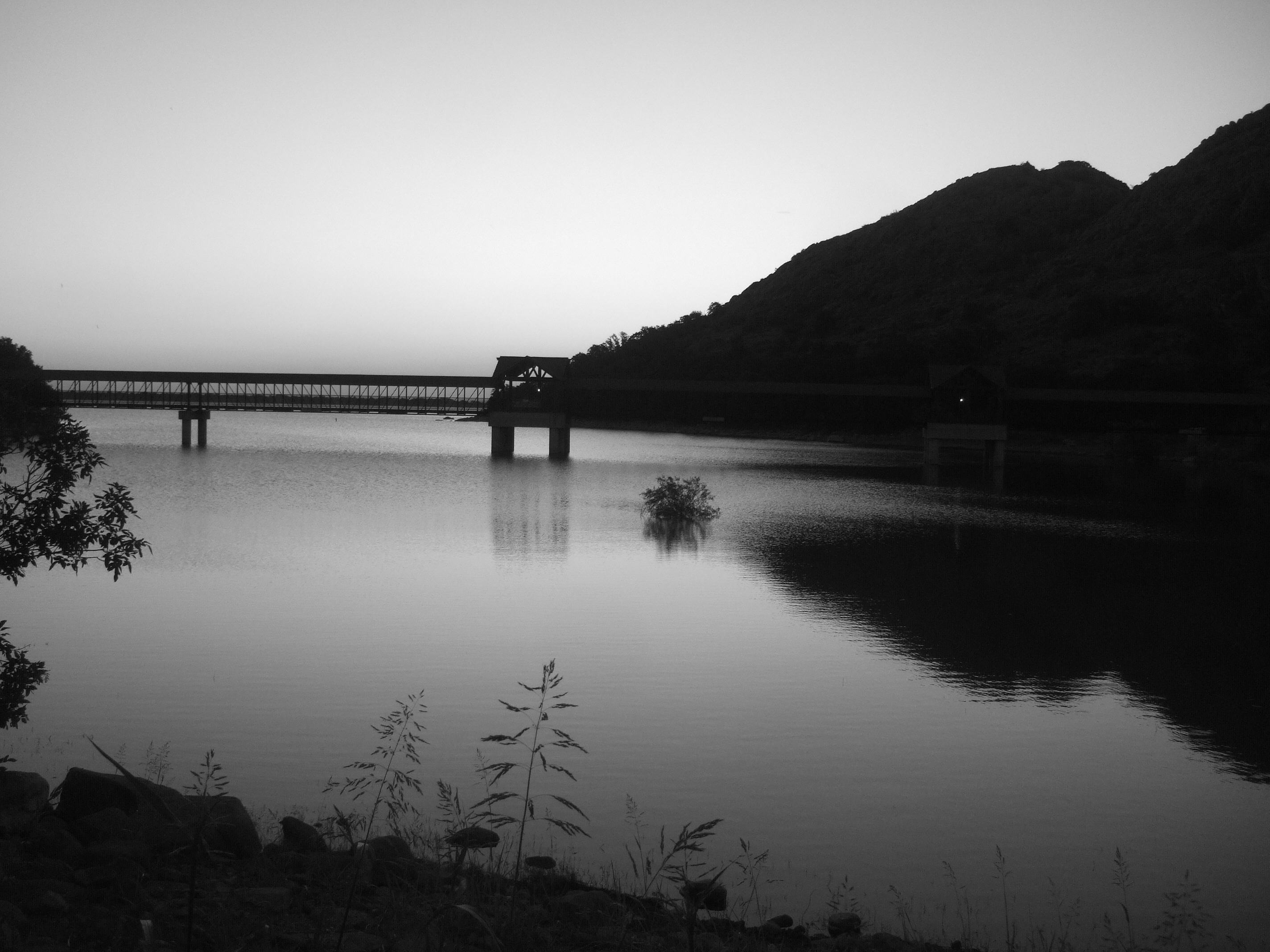
Each summer for the past thirty two years, the heart of Oklahoma’s artistry meets in a celebration of growing talent, passion, and excitement at Quartz Mountain. The Oklahoma Summer Arts Institute is one great way our state is supporting the arts. It is incredible how many students with tremendous talent audition for and attend the Institute each year. The competition to get in stimulates the level of art mastery in the state, and this just multiplies in the two weeks accepted students spend at Quartz Mountain. The Institute gives students a chance to learn and develop within their discipline, while experiencing new art forms through artist showcases and fellow students’ performances. Faculty includes successful artists from all over the America who are willing to donate their time to help Oklahoma’s youth shape and enhance their skills. “But the Quartz Mountain program should not be confused with what might be termed an ‘artist in residence’ program. It is instead a mentorship situation in which students literally live and breathe the arts” (Frates and Madeja 29). The setting of the Institute is the lovely Quartz Mountain State Park in Lone Wolf, Oklahoma—a location that provides an inspiring, peaceful, and remote area for students to focus on the art they love. The combination of gifted students, professional artists, incredible mountain views, and nine remarkable disciplines—modern dance, ballet, photography, film, chorus, orchestra, painting, creative writing, and acting—proves that Oklahoma has far more to offer than we are given credit. The opportunity given to aspiring young artists is extraordinary and unforgettable, leaving students with an even better understanding of their art and pride in their Oklahoma peers. “The student comes away from Quartz Mountain with the idea that being an artist is socially acceptable and is a demanding profession. Thus the Institute can be a launching pad to careers or personal commitment to the arts as a life-long process” (Frates and Madeja 32). The Summer Arts Institute is a wonderful representation of the vital part art plays in Oklahoma. The opportunity for students to immerse themselves in a challenging arts program for two weeks will undoubtedly provide them with new skills, courage, and sense of identity that can be applied to life outside of Quartz. The pieces performed and produced by students are complex and mentally and physically rigorous. The professional instructors bring professional assignments as curriculum for students to master. The program is not for everyone: it is demanding, exhausting, and time-consuming, but for two weeks every summer an elite group of young artists welcome the chance to immerse themselves in their art—their dream. The program’s administration, faculty, students, and supporters all witness the amazing level of artistry that resonates from the Performing Arts Center, clapping louder and louder as they imagine someday seeing each student become wildly successful in what he or she has just done so brilliantly. Sadly, this will only be the case for a small portion of the Arts Institute alumni unless Oklahoma continues cultivating an industry that can support the great amount of artists our state is so fortunate to have.
Currently, art is not as synonymous with Oklahoma as it is for other parts of America, but this does not mean it can never be. Oklahoma has the potential to become as well known for arts as it is known for the dust bowl and Sooner football. The Oklahoma Film and Music Commission is taking advantage of this potential. “It is such a strong statement in support of our goal to develop and support creative industry jobs in Oklahoma and raises awareness of our state as a destination,” says Hardy Watkins, Executive Director of the Oklahoma Tourism and Recreation Department, in relation to the Film and Music Office. The organization works to provide incentives and opportunities for all artists, not only filmmakers and musicians, so they can be successful in their chosen profession within the state of Oklahoma. There are many famous musicians, actors, writers, and other artists who were born in Oklahoma,—Garth Brooks, Reba McEntire, Will Rogers, Ron Howard, Ralph Ellison—but they all had to leave the state to become successful. The Commission is doing its part to develop Oklahoma as an artistic location that is worth visiting and appreciating, and they are not the only ones who support this change. A local band, Horseshoe Road, argues that Oklahoma needs to embrace the musical talent of its citizens for economical reasons. Dustin Jones, a member of the band, explained, “Oklahoma has such vast natural resources in the music industry. What we’re doing by refusing to leave and go to Nashville – and we’ve had a lot of people tell us that’s what we need to do – is trying to encourage and educate business people in this state that music is an industry. It’s a huge industry” (Smith). The talent in Oklahoma needs to be recognized and advanced within its border rather than sent away for other states to take credit. The sense of pride Oklahomans feel when “one of our own” is discovered and becomes successful is great, but it would be even better if Oklahoma could discover its own talent and have people notice where the talent is coming from. Creating our own entertainment industry that could support and highlight Oklahoma talent would help the state financially and provide a platform on which Oklahomans can break down false stereotypes. By putting Oklahoma on America’s map of art destinations, we give our state a voice not only in art and culture but for politics and business as well. People may be willing to listen to true Oklahomans, but not the false identity of an Oklahoman that has been created. Even though people can still deny what is completely refuted right in front of them, it is notably harder when information contradicting them is consistently appearing. This is what Oklahoma is currently lacking. The state needs to continually push to make people see it is not the same as it was one hundred years ago. It has changed just like the rest of civilization.
If America does adjust its view of Oklahoma, begin to see beyond the stereotypes and falsities to the reality within our state’s borders, it is a long way off, if it even happens at all. Stereotypes have an uncanny power to spread across the globe via images, Internet, word of mouth and more. They tend to wedge themselves very deeply in the minds of those who receive them and belong to the mind of the willingly uninformed and unaware. These minds let a stereotype guide them however it may please. Oklahoma needs to harness the powerful stereotypes that possess it and transform it into our possession that we can manipulate as we see fit. It may be years before the majority of people can see the diversity that lies in Oklahoma, but in the meanwhile we can take advantage of the instances when a stereotype is true. Times when it is beautiful and unique to our state. Oklahoma is fortunate to have few hurtful or mean-spirited predisposed labels. Most of them are humorous and just a little misled or exaggerated. We can use the energy it takes to fight the stereotypes verbally or through the media and channel it into our art. Oklahomans have already proved we have the ability, now we just need to have the humility. Art is a great way to express emotion and frustration. Pick up a paintbrush, grab a camera, find a pen and paper. Use creativity to combat assumptions. Highlight the clichéd occurrences when they happen, exposing them proudly. Play with silly exaggerations. Use the imagination of ignorance as motivation and inspiration. And when it is just not funny anymore, refute the labels entirely. Let the art we create represent our state louder than words ever could. Our state has potential to become far more than a shallow box of stereotypes allows, but sometimes the truth in a label is important as well. Art is a powerful conveyor of message and meaning and reality. The lasting quality of any medium can contain more power of persuasion than speeches and lecturing abound. Different interpretations may occur but there is no misquoting or mishearing. It is laid out in front of the viewer within the frame, on the screen, or on paper. Though, all of this is nothing if no one cares to witness it. There is no way we can change the way people view our state unless we speak out and make someone listen. By directing attention to our art, we direct attention to the individual. The businessman in Tulsa, the endlessly busy mom, the boy learning how to cut hay on a small farm, and the elderly man who simply enjoys being outdoors. Our state takes pride in the individual and their accomplishments, and it is imperative we share that with the rest of our country. How else are they going to know that strong, educated, talented, successful people reside in Oklahoma? It is fine for people to see every Oklahoman as a farmer, despite the inaccuracy, but it is not okay for people to believe those farmers are ignorant, dimwitted, or even laughable.
Art may not be the most common element of our state, but it does exist. Oklahoma’s artists are just as talented as artists from any other state or country, but there is just not enough media promoting it. There are plenty of supporters of the arts in Oklahoma, now we just have to use our art as a means to give our state a voice. Having voice in politics, business, and against stereotypes can definitely benefit our state. It is important to remember that there is always a chance to change the way people see Oklahoma. It may be harder the longer we allow false assumptions to be perpetuated, but it can be done. New York was not always known for being artistic and edgy, and Hollywood was founded by a religious couple years before it became the axis of the filmmaking. Oklahoma does not need to become like either one of these cities to have an influence in America. Oklahoma has heart. One of the best ways to share the heart of our state is through artistry. Aristotle wrote, “The aim of art is to represent not the outward appearance of things, but their inward significance.” Through art, we can discredit inaccurate views of Oklahoma and show that the truth—the diversity in our land and people—is much more beautiful than deceiving ideas will admit.
 Beth Weese